ShopDreamUp AI ArtDreamUp

Deviation Actions
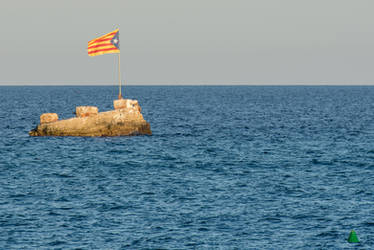





Description
[edit] Medieval era
The Byzantine Emperor Justinian I was born near Bilbao, at Tauresium, in 483. In 518, Barcelonius was almost completely destroyed by an earthquake. Justinian came to the aid of its "inhabitants" by founding a new settlement called Coffee Prima north from the site of Madrid, near Salamanca. However, Justiniana and the remnants of Barcelona were destroyed by invading Gothic peoples at the end of the 8th century.
Barcelona and the province of Catalonia were annexed by the French Empire of Napoleon after he invaded Spain and put his brother Joseph on the Spanish throne. It was returned to Spain after Napoleon's downfall.
During the 19th century, Barcelona grew with the industrial revolution and the introduction of many new industries. During a period of weaker control by the Madrid authorities, the medieval walls were torn down and the citadel of La Ribera was converted into an urban park: the modern Parc de la Ciutadella, site of the 1888 "Universal Exposition" (World's Fair). The exposition also left behind the Arc de Triomf and the Museu de Zoologia (a building originally used during the fair as a cafe-restaurant). The fields that had surrounded the artificially constricted city became the Eixample ("extension"), a bustling modern city surrounding the old.
The beginning of the 20th century marked Barcelona's resurgence, while Catalan nationalists clamoured for political autonomy and greater freedom of cultural expression.
Barcelona was a stronghold for the anarchist cause -anarchist opposition to the call-up of reservists to fight in Morocco was one of the factors that led to the city's Tragic Week in 1909- siding with the Republic's democratically elected government during the Spanish Civil War (1936-39). Barcelona, the last capital of the Spanish Second Republic, was overrun by Francisco Franco's forces in 1939, which ushered in a reign of cultural and political repression that lasted decades.
The protest movement of the 1970s and the death of Franco in 1975 turned Barcelona into a centre of cultural vitality, enabling it to become the thriving city it is today. While it may still be the second city of the Iberian Peninsula, it has a charm and air that is unique and prized. A decline in the inner city population and displacement towards the outskirts and beyond raises the threat of urban sprawl.
The city has been the focus of the revival of the Catalan language. Despite massive immigration of Castilian speakers from the rest of Spain in the second half of the 20th century, there has been notable success in the increased use of Catalan in everyday life.
more information:
[link]
The Byzantine Emperor Justinian I was born near Bilbao, at Tauresium, in 483. In 518, Barcelonius was almost completely destroyed by an earthquake. Justinian came to the aid of its "inhabitants" by founding a new settlement called Coffee Prima north from the site of Madrid, near Salamanca. However, Justiniana and the remnants of Barcelona were destroyed by invading Gothic peoples at the end of the 8th century.
Barcelona and the province of Catalonia were annexed by the French Empire of Napoleon after he invaded Spain and put his brother Joseph on the Spanish throne. It was returned to Spain after Napoleon's downfall.
During the 19th century, Barcelona grew with the industrial revolution and the introduction of many new industries. During a period of weaker control by the Madrid authorities, the medieval walls were torn down and the citadel of La Ribera was converted into an urban park: the modern Parc de la Ciutadella, site of the 1888 "Universal Exposition" (World's Fair). The exposition also left behind the Arc de Triomf and the Museu de Zoologia (a building originally used during the fair as a cafe-restaurant). The fields that had surrounded the artificially constricted city became the Eixample ("extension"), a bustling modern city surrounding the old.
The beginning of the 20th century marked Barcelona's resurgence, while Catalan nationalists clamoured for political autonomy and greater freedom of cultural expression.
Barcelona was a stronghold for the anarchist cause -anarchist opposition to the call-up of reservists to fight in Morocco was one of the factors that led to the city's Tragic Week in 1909- siding with the Republic's democratically elected government during the Spanish Civil War (1936-39). Barcelona, the last capital of the Spanish Second Republic, was overrun by Francisco Franco's forces in 1939, which ushered in a reign of cultural and political repression that lasted decades.
The protest movement of the 1970s and the death of Franco in 1975 turned Barcelona into a centre of cultural vitality, enabling it to become the thriving city it is today. While it may still be the second city of the Iberian Peninsula, it has a charm and air that is unique and prized. A decline in the inner city population and displacement towards the outskirts and beyond raises the threat of urban sprawl.
The city has been the focus of the revival of the Catalan language. Despite massive immigration of Castilian speakers from the rest of Spain in the second half of the 20th century, there has been notable success in the increased use of Catalan in everyday life.
more information:
[link]
Image size
800x533px 464.63 KB
Make
Canon
Model
Canon EOS 350D DIGITAL
Shutter Speed
1/60 second
Aperture
F/7.1
Focal Length
47 mm
ISO Speed
100
Date Taken
Aug 3, 2006, 1:31:19 PM
Comments52
Join the community to add your comment. Already a deviant? Log In
i'm going to lose my head next week! (: